
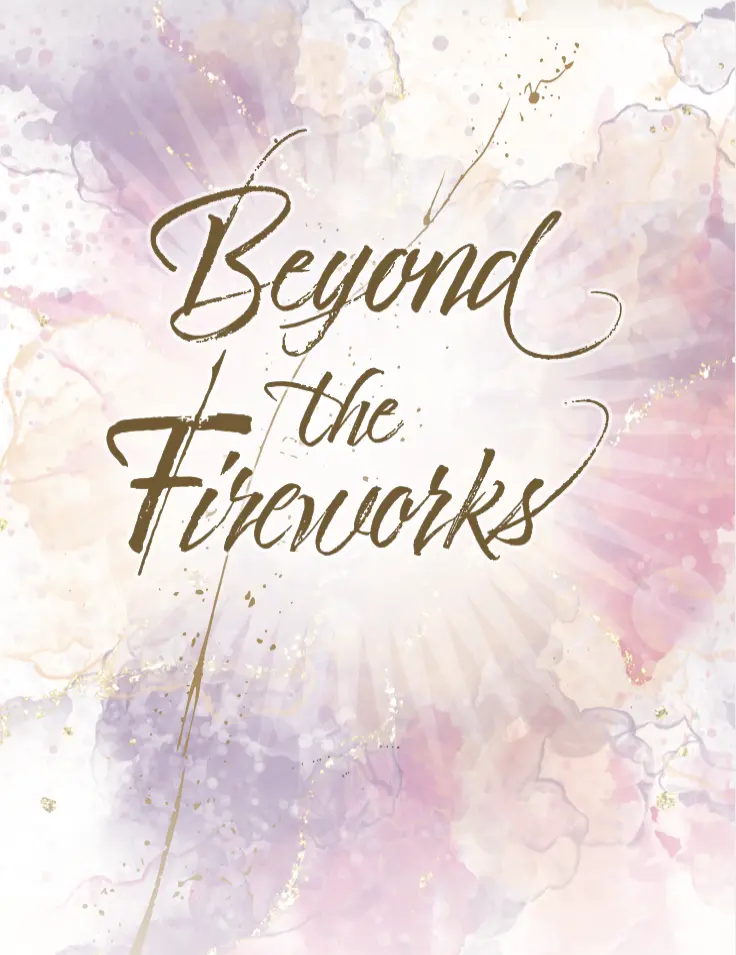
Beyond the Fireworks

The glow remains long after the sky goes dark.

By J. Elaine

A luminous debut novel about love, loss, and a survivor’s courage to begin again. Beyond the Fireworks tracks one woman’s reckoning with domestic violence and trauma as she breaks the silence, gathers the fragments, and rebuilds her life.

A luminous debut novel about love, loss, and finding the courage to begin again.

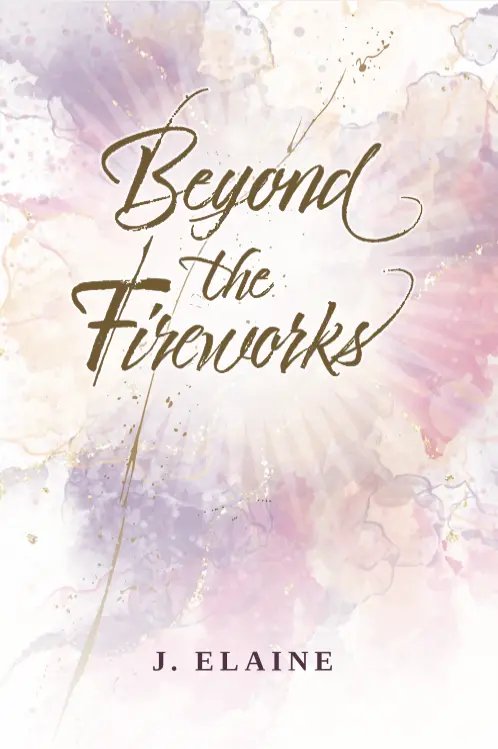
Beyond the Fireworks book cover
Soft Overlay 2
Soft Overlay 3
“I’m afraid of them. Fireworks. I always have been.”
He didn’t tease. Didn’t blink.
Just stepped behind me, arms wrapping around my waist.
“It’s not the sound,” I whispered.
“It’s how they come out of nowhere—like something bad is about to happen.”
Beyond the Fireworks book cover

Beyond The Fireworks

A new novel by J. Elaine

Celine’s life is marked by explosions—inside and out.

Each Fourth of July, the pop and flare of fireworks leaves her trembling and exposed. After years of physical and emotional blows, the detonation of her marriage shatters what she thought was stable.

Motherhood collides with survival until she’s burned down to the last inch of her fuse.

Then an old spark returns—feelings for her lifelong friend she was sure time had extinguished—unraveling parts of her she never expected to meet.

As the cracks in her story widen, she’s forced to rewrite a narrative she thought was already finished.

Publication Date

Coming June 2026 — a debut novel that explores love, control, and what remains after the light fades.

Available Formats

Paperback and eBook editions available at major retailers.

Glow Notes

An ongoing series of reflections and essays—quiet observations on grief, growth, and what comes after.

Join the Mailing List

Get exclusive updates, cover reveals, and first-look excerpts by email.

Beyond the Fireworks | Step Into The Story

J. Elaine

The House That
Smoke Built

Prologue

August 2010

The Morning After

Penn Medicine Emergency Department

I came back to my body in pieces.

Sound first.

A monitor beeping.

Air forced through plastic.

Then pain.

Deep. Deliberate. Everywhere.

My ribs.

My shoulder.

The back of my head.

The sheet beneath me was stiff with hospital starch.

Cold against my thighs.

I opened my eyes.

White ceiling. Fluorescent glare. Hospital.

I was alive.

That had not been certain.

I moved my fingers.

They obeyed.

I drew in a breath.

It scraped on the way down.

Good.

Pain meant I was still here.

A man in uniform stood near the wall.

Still. Watching.

He met my eyes and did not look away.

“Your family is outside waiting,” he said.

Professional. Measured.

The voice you use when a line has already been crossed.
August 2010

I swallowed.

Metal.

Blood at the back of my tongue.

The taste surfaced before the memory did.

Then—

His voice. Close. Controlled.

The shove.

The edge of something hard against my spine.

Air gone.

Darkness closing fast.

I blinked.

The officer didn’t ask what happened.

He didn’t need to.

My face was swollen.

My ribs bruised purple beneath the gown.

My shoulder bound tight.

My body had already testified.

I had practiced the word accident so many times it almost felt true.

If I spoke, it would become official.

If I stayed silent, it would remain ours.

There was no version of this where the illusion survived.

The hardest part was not staying alive.

It was admitting how quickly I had stopped fighting.

Sparklers and
Shadows

Chapter One

The kind of night that dazzled first—then scorched.

Falling for Bastian didn’t feel like falling.

It felt like resurfacing—like coming up for air I didn’t know I needed.

That evening was his father’s birthday. Bastian had reserved a table at Positano Coast—one of those old-school Philly spots draped in blue tile and Amalfi charm.

White linens. Loud laughter. The silver clink of cutlery.

“Bastian! And look who he brought.”

A wide grin. A practiced hug.

“Celine, good to see you again.”

His handshake was firm, his cologne sharp and expensive. His eyes dipped to my wrist.

“That’s a nice piece,” he said, gaze steady but disarming.

“Gift from my grandmother,” I replied.

He nodded. “She’s got taste.” Then moved on, like that was all he needed to know.

July 4th, 1997

“Come on,” Mr. Vance said, gesturing to the table. “Don’t let Bastian eat all the appetizers.”

I smiled. But my hands didn’t move right. I was too aware of the date, the time, the sound I was dreading.

His mother nudged a plate toward me. “We ordered plenty. Help yourself, sweetheart.”

I smiled, took a small bite of bruschetta, even though my appetite had stayed in the car.

And underneath all the quiet grins and napkin folds—

I was bracing.

I’ve always been afraid of fireworks.

Not the boom—

the held breath before it, when the air decides what comes next.

Grass, sulfur, summer weight—they linger.

Some people fear snakes or clowns.

I flinch at the sudden bang, merciless as memory tearing open.

Because it was the Fourth of July.

And I hadn’t told Bastian yet.

A waiter appeared with a small cake lit by a single candle.

“Happy birthday, Mr. Vance,” the table chimed.

Bastian’s father beamed, raising his glass.

Before dinner, I’d called my grandmother. Just to say hi.

But she knew the date—and she knew me.

“If you’re scared, baby, just say so,” she said gently.

“He’s a nice young man. Tell him. He don’t [BP1] [JA2] need to guess.”

I’d only ever admitted it to family—the fireworks thing.

Not because it was a secret—because it was sacred.

I said I would.

But I hadn’t.

And tonight, I was holding that fear like a secret between my ribs.

I smiled. I nodded. I played my part—raised my glass when the server poured, his thumb tracing slow circles over my hand.

Bastian fit everywhere—polished[BP3], magnetic, easy with my family in a way that made me want to trust him.

I grew up around warmth and women who laughed loud and loved without strategy.

He loved with polish.

At the next table, a man in a navy blazer hesitated before ordering another round. Bastian noticed.

With a flick of his wrist, he signaled the waiter. “Add their next round to my tab.”

I raised a brow. “Feeling generous?”

Bastian shrugged, unreadable. “Good optics.”

When Bastian smiled, the whole room shifted—like he’d found the spotlight and handed me a piece of it.

His charm didn’t chase; it arrived. Easy. Certain.

The kind that made people lean closer without knowing why.

His father nodded, subtle and approving. A playbook passed across the table.

Then smirking: “A real man keeps the energy going.”

Across the room, Mr. Vance lifted his glass in a half-toast.

A nod passed between them—unspoken. Inherited.

His mother reached for her drink. Her gaze lingered on Bastian a second too long.

A flicker—unease? Recollection? It passed. But I saw it.

I wasn’t just seeing Bastian. I was seeing what made him.

The same ease. The same polish.

And suddenly, I didn’t know if I was falling for Bastian—or for the version of him that knew how to take up space without asking.

Conversation returned. Laughter filled the air.

Then—

“Excuse me,” he said sharply. “This isn’t what I ordered.”

The irritation snapped—fast and cold.

Then gone—replaced with that smooth[BP4], effortless charm.

He complimented the house-made pasta. Asked about the wine list.

No one noticed the shift.

But I did.

He didn’t just let the moment pass. He took control.

Smiled through it. Filled the silence before anyone else could.

That was Bastian—always filling the room. Polished. Composed.

I used to find that magnetic. Now, I wasn’t so sure.

After dinner, we wandered toward Penn’s Landing, the Fourth of July crowds buzzing with festival joy, laughter sparking in every direction.

Kids twirled sparklers, their light ribboning across the dark.

The air shimmered with summer heat, spun sugar, and the sweetness of fried dough.

Music rose from the stage—warm, insistent, alive.

By the water’s edge, the crowd thinned. The night drew close, narrowing the world to just us.

I told myself this was love—this kind of attention, this kind of polish.

But part of me already knew: ease doesn’t always mean intimacy.

Sometimes, it just means you’ve memorized the script.

I laughed—reflexive. Polite. The kind of laugh you give when you want to keep something at bay.

A kid tore past in glittery light-up sneakers, waving a sparkler like a CEO in training.

Bastian grinned. “That gonna be our kid?”

“Ours would lead the charge,” I said.

“Facts,” he chuckled. “Glittery shoes. Full agenda.”

For a second, I forgot to brace. This laugh was different. Real. Loud. Unguarded.

“See?” he said, nudging me. “That smile. That’s what I live for.”

For a second, I let myself believe it.

That maybe this was what safety felt like—being wrapped in someone who didn’t need explanation.

Maybe we’d get a house one day, with string lights in the yard and a dog with a name so ridiculous it made the neighbors talk.

Maybe we’d throw parties, play jazz on Sundays, and kiss in the kitchen while dinner burned.

Even as I smiled, something tightened in my chest.

“You’re a little jumpy tonight,” he said gently, squeezing my hand. “You okay?”

“Just tired. Crowds. Heat.”

He nodded—too fast. “Well, I’m here now. You don’t have to flinch when I’m around.”

Not because I feared him—

but because I wasn’t sure he knew the difference between protection and control.

It wasn’t Bastian that set me off.

He looked at me a beat longer, unconvinced. But he didn’t push.

The air smelled like hot metal.

I gripped the railing—slick with heat, worn refined by time.

The crowd noise blurred for a second—like someone had turned the volume down inside my skull.

Pressed my fingertips there, hoping it would anchor me.

Then a sparkler crackled too close, and I was eight again.

Curled on my grandparents’ bathroom tile.

The hallway smelled like okra and onions.

My cousins outside, laughing.

Me, praying it would stop.

My grandmother once said fireworks were just the ancestors clearing their throats—loud but harmless.

I never believed her. But I liked the sound of it.

“Celine,” Bastian said softly. “What’s going on?”

“I’m afraid of them. Fireworks. I always have been.”

He didn’t tease. Didn’t blink. Just stepped behind me, arms wrapping around my waist.

“It’s not the sound,” I whispered. “It’s how they come out of nowhere—like something bad is about to happen.”

He nodded. No judgment. No fix-it words.

“I never told anyone,” I said. “It always felt easier to pretend I was okay than explain why I wasn’t.”

He kissed my shoulder. Steady. Warm.

“Thank you for telling me.”

I nodded. Because he needed that.

But inside, I wasn’t sure what I felt. Relief, maybe. Or nothing at all.

We stood there, wrapped in each other, as the night fractured like stained glass.

Each boom echoed in my chest. But Bastian didn’t react.

His calm began to seep into me.

“Do you want to leave?” he asked.

“No,” I said. “I want to be here. Just… stay.”

He nodded. “I’m not going anywhere.”

The words wrapped around something raw in me.

“I think I fell for you a long time ago,” I murmured. “I just didn’t let myself know it.”

But something flickered behind his eyes—a split-second sharpness, his jaw tightening before it smoothed away.

Gone before I could name it.

“I’ve always loved you,” he said. “Just hoped you’d land where I was standing.”

I smiled. But the truth clawed at my ribs.

Love doesn’t always come with fireworks.

Sometimes it comes quiet. Steady. Just dangerous enough to stay.

Was it his gentleness I loved?

Or the way he never needed much—just knew how to keep me near?

I leaned in. Not hiding. Just making room to breathe.

I’d always been better with distance.

Soft, but edged.

Cashmere and claws—because softness never meant safety.

Mama used to say: Soft girls need bite. Pretty cracks faster than steel.

The fireworks faded.

Smoke drifted above the river.

The sky held its breath.

And I told myself that calm was enough.

I used to think peace meant silence.

But maybe I’d been bracing for impact my whole life.

Sometimes, what feels like peace is just a pause before you disappear.

01

The House That Smoke Built

August 2010
The Morning After
Penn Medicine Emergency Department

I came back to my body in pieces.

Sound first. A monitor beeping. Air forced through plastic.

Then pain. Deep. Deliberate. Everywhere. My ribs. My shoulder. The back of my head. The sheet beneath me was stiff with hospital starch. Cold against my thighs.

I opened my eyes. White ceiling. Fluorescent glare. Hospital. I was alive. That had not been certain.

I moved my fingers. They obeyed. I drew in a breath. It scraped on the way down. Good. Pain meant I was still here.

A man in uniform stood near the wall. Still. Watching.

“Your family is outside waiting,” he said.

Professional. Measured. The voice you use when a line has already been crossed.
I swallowed. Metal. Blood at the back of my tongue.

The taste surfaced before the memory did.

Then—

His voice. Close. Controlled.

The shove.

The edge of something hard against my spine.

Air gone.

Darkness closing fast.

I blinked.

The officer didn’t ask what happened. He didn’t need to.

My face was swollen. My ribs bruised purple beneath the gown. My shoulder bound tight.

My body had already testified.

I had practiced the word accident so many times it almost felt true.

If I spoke, it would become official.

If I stayed silent, it would remain ours.

There was no version of this where the illusion survived.

The hardest part was not staying alive.

It was admitting how quickly I had stopped fighting.


Sparklers and Shadows
July 4th, 1997

The kind of night that dazzled first—then scorched.

Falling for Bastian didn’t feel like falling. It felt like resurfacing—like coming up for air I didn’t know I needed.

That evening was his father’s birthday. Bastian had reserved a table at Positano Coast—one of those old-school Philly spots draped in blue tile and Amalfi charm. White linens. Loud laughter. The silver clink of cutlery.

“Bastian! And look who he brought.”

A wide grin. A practiced hug.

“Celine, good to see you again.”

His handshake was firm, his cologne sharp and expensive. His eyes dipped to my wrist. “That’s a nice piece,” he said, gaze steady but disarming.

“Gift from my grandmother,” I replied.

He nodded. “She’s got taste.” Then moved on, like that was all he needed to know.

“Come on,” Mr. Vance said, gesturing to the table. “Don’t let Bastian eat all the appetizers.”

I smiled. But my hands didn’t move right. I was too aware of the date, the time, the sound I was dreading.

His mother nudged a plate toward me. “We ordered plenty. Help yourself, sweetheart.”

I smiled, took a small bite of bruschetta, even though my appetite had stayed in the car.

And underneath all the quiet grins and napkin folds—

I was bracing.

I’ve always been afraid of fireworks.

Not the boom—

the held breath before it, when the air decides what comes next.

Grass, sulfur, summer weight—they linger.

Some people fear snakes or clowns.

I flinch at the sudden bang, merciless as memory tearing open.

Because it was the Fourth of July.

And I hadn’t told Bastian yet.

A waiter appeared with a small cake lit by a single candle.

“Happy birthday, Mr. Vance,” the table chimed.

Bastian’s father beamed, raising his glass.

Before dinner, I’d called my grandmother. Just to say hi.

But she knew the date—and she knew me.

“If you’re scared, baby, just say so,” she said gently. “He’s a nice young man. Tell him. He don’t [BP1] [JA2] need to guess.”

I’d only ever admitted it to family—the fireworks thing.

Not because it was a secret—because it was sacred.

I said I would.

But I hadn’t.

And tonight, I was holding that fear like a secret between my ribs.

I smiled. I nodded. I played my part—raised my glass when the server poured, his thumb tracing slow circles over my hand. Bastian fit everywhere—polished[BP3], magnetic, easy with my family in a way that made me want to trust him. I grew up around warmth and women who laughed loud and loved without strategy. He loved with polish.

At the next table, a man in a navy blazer hesitated before ordering another round. Bastian noticed.

With a flick of his wrist, he signaled the waiter. “Add their next round to my tab.”

I raised a brow. “Feeling generous?”

Bastian shrugged, unreadable. “Good optics.”

When Bastian smiled, the whole room shifted—like he’d found the spotlight and handed me a piece of it. His charm didn’t chase; it arrived. Easy. Certain. The kind that made people lean closer without knowing why.

His father nodded, subtle and approving. A playbook passed across the table.

Then smirking: “A real man keeps the energy going.”

Across the room, Mr. Vance lifted his glass in a half-toast.

A nod passed between them—unspoken. Inherited.

His mother reached for her drink. Her gaze lingered on Bastian a second too long. A flicker—unease? Recollection? It passed. But I saw it.

I wasn’t just seeing Bastian. I was seeing what made him. The same ease. The same polish. And suddenly, I didn’t know if I was falling for Bastian—or for the version of him that knew how to take up space without asking.

Conversation returned. Laughter filled the air.

Then—

“Excuse me,” he said sharply. “This isn’t what I ordered.”

The irritation snapped—fast and cold. Then gone—replaced with that smooth[BP4], effortless charm. He complimented the house-made pasta. Asked about the wine list. No one noticed the shift.

But I did.

He didn’t just let the moment pass. He took control.

Smiled through it. Filled the silence before anyone else could.

That was Bastian—always filling the room. Polished. Composed.

I used to find that magnetic. Now, I wasn’t so sure.

After dinner, we wandered toward Penn’s Landing, the Fourth of July crowds buzzing with festival joy, laughter sparking in every direction. Kids twirled sparklers, their light ribboning across the dark. The air shimmered with summer heat, spun sugar, and the sweetness of fried dough. Music rose from the stage—warm, insistent, alive.

By the water’s edge, the crowd thinned. The night drew close, narrowing the world to just us.

I told myself this was love—this kind of attention, this kind of polish. But part of me already knew: ease doesn’t always mean intimacy. Sometimes, it just means you’ve memorized the script.

I laughed—reflexive. Polite. The kind of laugh you give when you want to keep something at bay.

A kid tore past in glittery light-up sneakers, waving a sparkler like a CEO in training. Bastian grinned. “That gonna be our kid?” “Ours would lead the charge,” I said. “Facts,” he chuckled. “Glittery shoes. Full agenda.”

For a second, I forgot to brace. This laugh was different. Real. Loud. Unguarded.

“See?” he said, nudging me. “That smile. That’s what I live for.”

For a second, I let myself believe it.

That maybe this was what safety felt like—being wrapped in someone who didn’t need explanation.

Maybe we’d get a house one day, with string lights in the yard and a dog with a name so ridiculous it made the neighbors talk. Maybe we’d throw parties, play jazz on Sundays, and kiss in the kitchen while dinner burned.

Even as I smiled, something tightened in my chest.

“You’re a little jumpy tonight,” he said gently, squeezing my hand. “You okay?”

“Just tired. Crowds. Heat.”

He nodded—too fast. “Well, I’m here now. You don’t have to flinch when I’m around.”

Not because I feared him—

but because I wasn’t sure he knew the difference between protection and control.

It wasn’t Bastian that set me off.

He looked at me a beat longer, unconvinced. But he didn’t push.

The air smelled like hot metal.

I gripped the railing—slick with heat, worn refined by time.

The crowd noise blurred for a second—like someone had turned the volume down inside my skull.

Pressed my fingertips there, hoping it would anchor me.

Then a sparkler crackled too close, and I was eight again.

Curled on my grandparents’ bathroom tile.

The hallway smelled like okra and onions.

My cousins outside, laughing.

Me, praying it would stop.

My grandmother once said fireworks were just the ancestors clearing their throats—loud but harmless.

I never believed her. But I liked the sound of it.

“Celine,” Bastian said softly. “What’s going on?”

“I’m afraid of them. Fireworks. I always have been.”

He didn’t tease. Didn’t blink. Just stepped behind me, arms wrapping around my waist.

“It’s not the sound,” I whispered. “It’s how they come out of nowhere—like something bad is about to happen.”

He nodded. No judgment. No fix-it words.

“I never told anyone,” I said. “It always felt easier to pretend I was okay than explain why I wasn’t.”

He kissed my shoulder. Steady. Warm.

“Thank you for telling me.”

I nodded. Because he needed that.

But inside, I wasn’t sure what I felt. Relief, maybe. Or nothing at all.

We stood there, wrapped in each other, as the night fractured like stained glass.

Each boom echoed in my chest. But Bastian didn’t react.

His calm began to seep into me.

“Do you want to leave?” he asked.

“No,” I said. “I want to be here. Just… stay.”

He nodded. “I’m not going anywhere.”

The words wrapped around something raw in me.

“I think I fell for you a long time ago,” I murmured. “I just didn’t let myself know it.”

But something flickered behind his eyes—a split-second sharpness, his jaw tightening before it smoothed away. Gone before I could name it.

“I’ve always loved you,” he said. “Just hoped you’d land where I was standing.”

I smiled. But the truth clawed at my ribs.

Love doesn’t always come with fireworks.

Sometimes it comes quiet. Steady. Just dangerous enough to stay.

Was it his gentleness I loved?

Or the way he never needed much—just knew how to keep me near?

I leaned in. Not hiding. Just making room to breathe.

I’d always been better with distance.

Soft, but edged.

Cashmere and claws—because softness never meant safety.

Mama used to say: Soft girls need bite. Pretty cracks faster than steel.

The fireworks faded. Smoke drifted above the river. The sky held its breath.

And I told myself that calm was enough.

I used to think peace meant silence.

But maybe I’d been bracing for impact my whole life.

Sometimes, what feels like peace is just a pause before you disappear.

About J. Elaine

J. Elaine writes about the quiet transformations that follow the storm — resilience, renewal, and the beauty of becoming whole.

Her debut novel, Beyond the Fireworks, explores what happens when the applause fades and the night grows still — when we’re left with only our truth, and the courage it takes to begin again.

With language both tender and unflinching, she captures the emotional alchemy of heartbreak and healing — finding light in the ashes, and grace in the aftermath.

Based in Los Angeles, J. Elaine continues to write about belonging, healing, and the luminous art of starting over — stories that remind us every ending carries the spark of a new beginning.

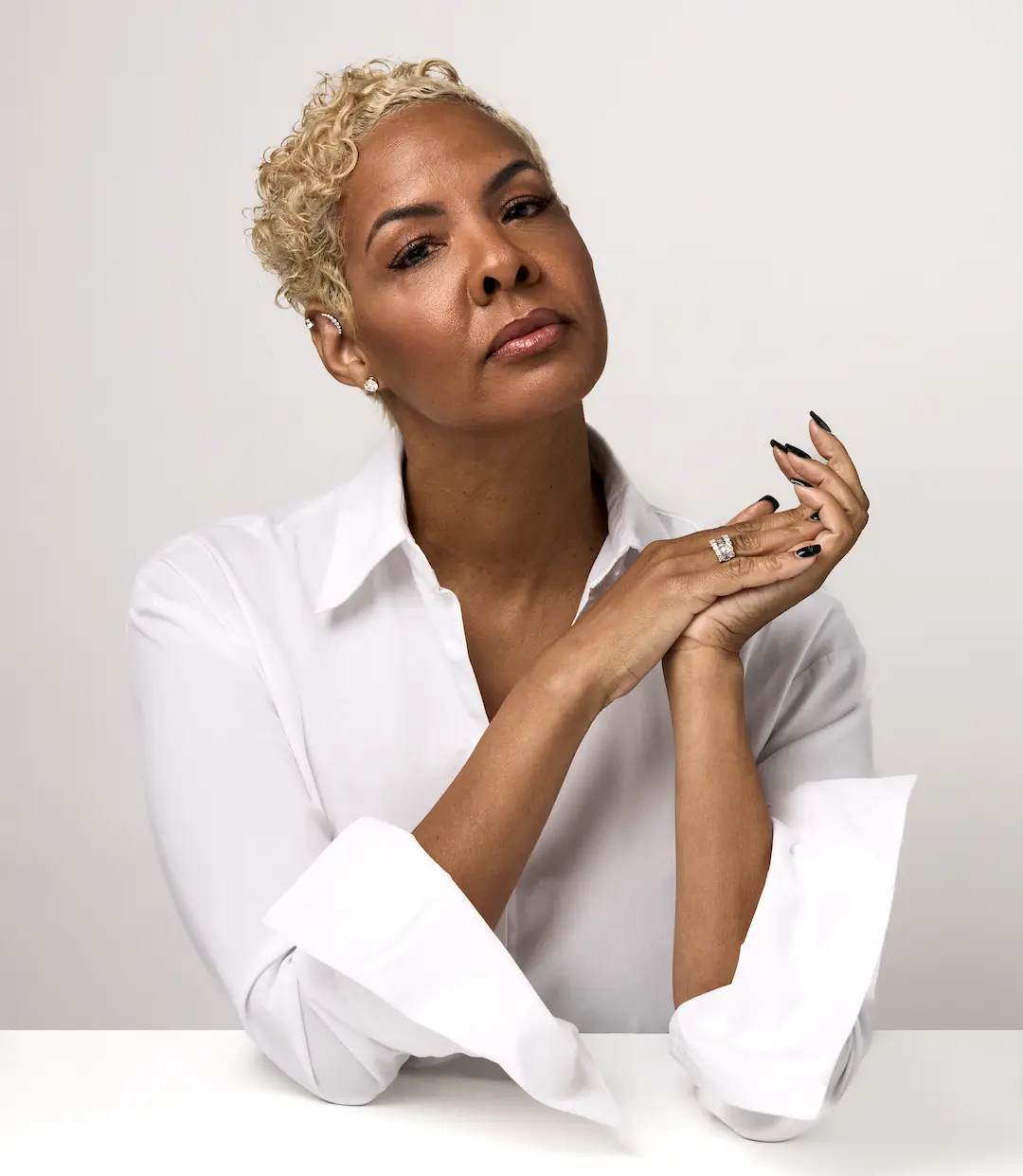
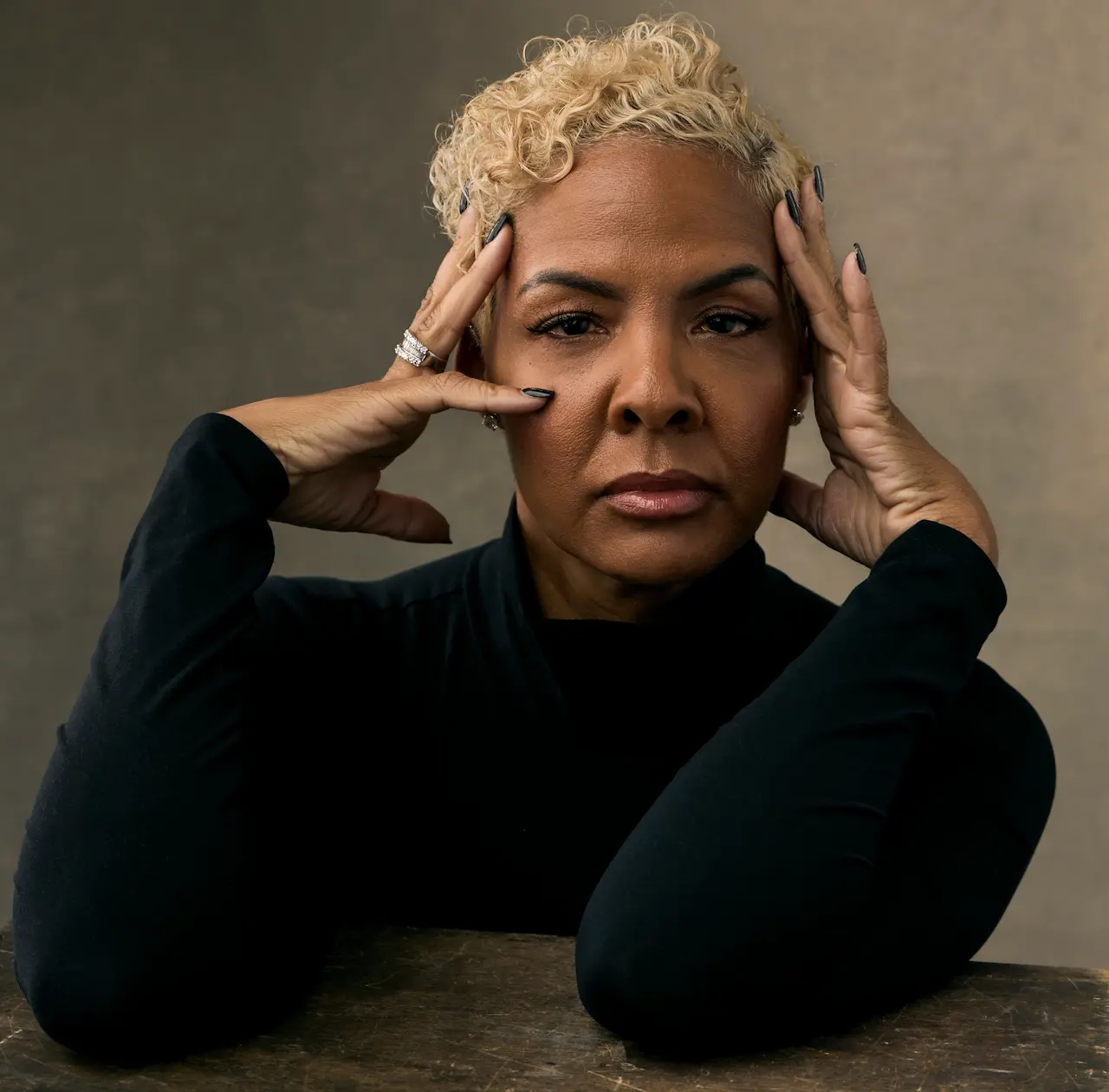
J. Elaine portrait

Early Years

Born and raised in Oakland, California, J. Elaine found her earliest sense of freedom in words. She spent countless hours lost in books — worlds that sparked her imagination and shaped her curiosity about people and the ways they rise after loss.

She grew up in a family rich with laughter and layered stories, where love filled every corner and imagination was always welcome. Those early years taught her the quiet grace of belonging — that even the simplest moments can hold the seeds of transformation.

Her family’s presence became the heartbeat beneath her writing — a testament to love’s ability to root us, even as we learn to fly.

She began her studies at Howard University, where the energy and spirit of an HBCU shaped her worldview, then went on to earn her bachelor’s degree from California State University, East Bay.

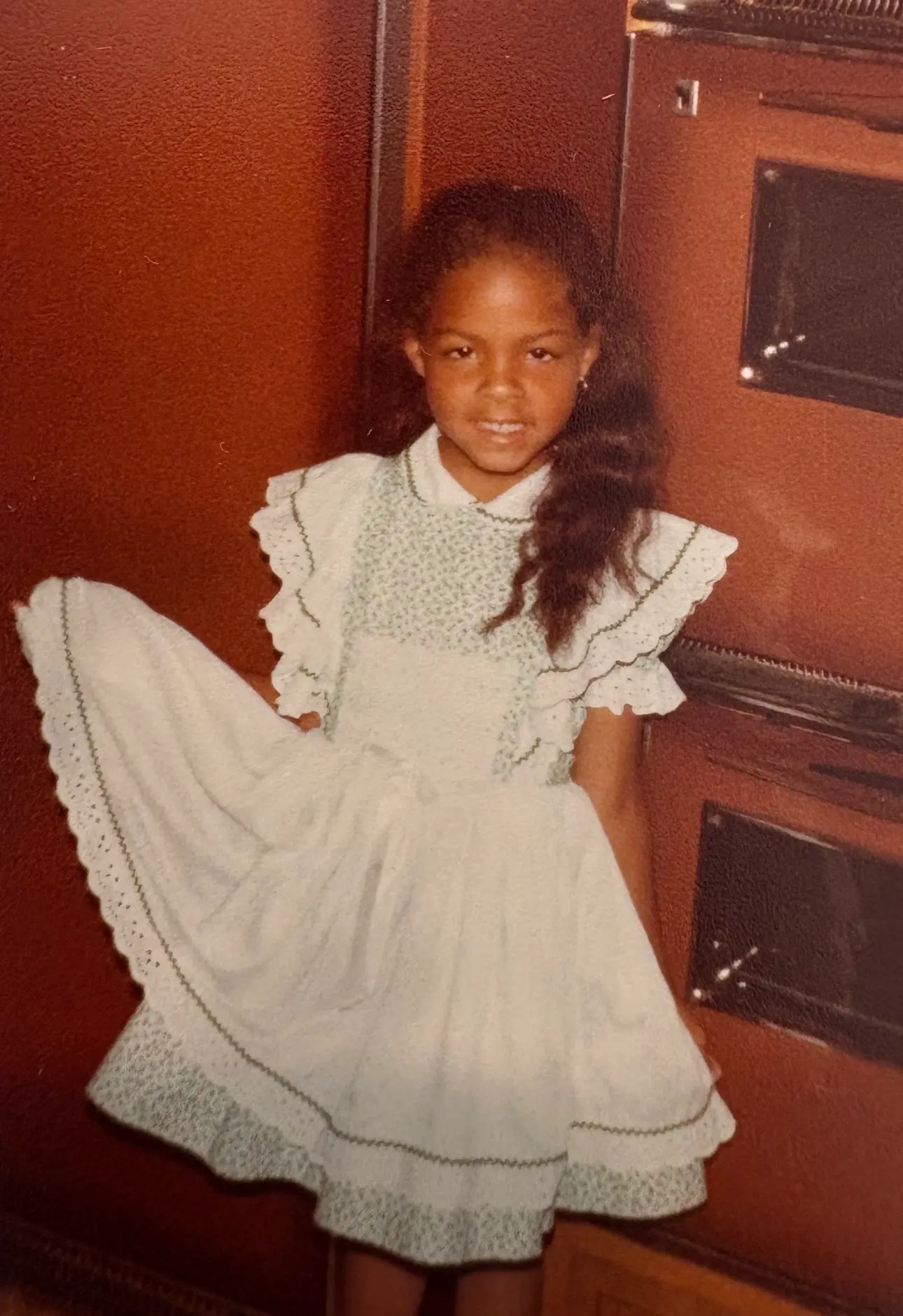
A photo of the author when she was a young child

Corporate Career

J. Elaine spent two decades leading global marketing and executive events for some of the world’s most influential companies, including Microsoft and Salesforce. An award-winning marketing professional, she became known for designing experiences that turned ideas into emotion and connection into impact.

Amid polished stages and glittering moments in the tech industry, her work focused on how people gather, how stories shape meaning, and how thoughtfully designed experiences linger long after the event ends. That work ultimately led her to found Eventive Marketing Solutions, an experiential marketing consultancy dedicated to creating emotionally resonant experiences rooted in narrative, intention, and human connection.

Yet even within the spotlight of the tech industry, she was drawn to what lingers after it fades — the quiet reckoning between who we’ve been and who we’re becoming. That truth ultimately inspired Beyond the Fireworks and the body of work that followed: stories that honor resilience, courage, and the quiet brilliance of transformation.

Corporate career

A Letter From J. Elaine

When I began writing Beyond the Fireworks, I didn’t set out to tell a story about survival or second chances. I just wanted to understand what happens after the glitter settles — when life gets quiet and we’re left with ourselves again.

In so many ways, it mirrors my own journey. I’ve lived the polished moments — the career highlights, the carefully composed smiles — but I’ve also lived the spaces in between. The nights when everything I thought defined me began to fade, and I had to find a new kind of light.

Writing became the bridge between those worlds. It reminded me that healing isn’t loud or linear — it’s often a whisper, a choice to show up again, one honest page at a time.

If you’re here, maybe you’ve felt that too — the ache of change, the beauty of rebuilding, the quiet courage it takes to start over. My hope is that through these stories, you’ll find a reflection of your own strength, your own rebirth, your own after the fireworks.

With love,
J. Elaine 🤍

“How do you know if it’s love—

or just the version of you that doesn’t know anything else?”

Beyond the Fireworks Q&A

A Conversation with J. Elaine

What inspired you to take pen to paper and write Beyond the Fireworks?

I was inspired by the quiet moments we don’t talk about enough — the ones after the noise fades. The moments when you’re lying awake replaying your life, wondering how you got here and whether you’re brave enough to change it. I wanted to explore what it feels like to love deeply, endure silently, and slowly awaken to your own truth. The story came from a desire to honor that internal shift — the moment a woman realizes she deserves more than survival.

The novel has a poetic quality, with prose that moves readers through each scene with rhythm and flow. What drew you to this style, and how do you think it affects the reader’s experience?

That rhythm felt natural to me. Trauma and memory aren’t linear — they move in waves. Sometimes soft, sometimes sharp. I wanted the prose to mirror Celine’s inner world — reflective, emotional, layered. The poetic style allows readers to feel the story rather than just follow it. It invites them inside her thoughts instead of standing at a distance.

You dedicated this book to your daughters. What’s one message or lesson you hope your daughters, and other young girls, take away from this story?

I hope they understand that love should never require them to abandon themselves. That strength isn’t about how much you can endure — it’s about knowing when to choose yourself. And that their voice, their safety, and their peace matter deeply.

In what ways do you see the book creating space for conversation, reflection, or connection among survivors?

The book doesn’t sensationalize trauma. It sits with it quietly. My hope is that readers who have lived through similar experiences feel seen — not judged, not rushed, not simplified. And for those who haven’t, I hope it opens a window into the emotional complexity survivors navigate. Healing often begins when we feel understood.

Trauma, domestic violence, and survival, and healing are central to Celine’s story. How did you navigate writing about these experiences in a way that honors the realities of survivors while serving the story?

With care. I focused more on emotional truth than graphic detail. The internal conflict, the silence, the confusion - those are often the most honest parts. I wanted to honor the reality without exploiting it. The goal was dignity, not drama.

Were there scenes that were particularly difficult to write, and how did you approach them?

Yes, especially the abuse scenes. They were emotionally heavy. What made them difficult wasn’t just what was happening, but what wasn’t being said. I had to sit with discomfort and allow silence to carry weight. I resisted the urge to resolve the tension too quickly. That restraint was hard, but necessary.

Fireworks serve as a recurring symbol in the novel—first reflecting Celine’s fear, and later her ability to shift from anticipating the explosion to embracing the beauty that follows. Can you speak about the significance of this symbolism and its importance to the novel as a whole?

Fireworks represent anticipation, that tense waiting for something explosive to happen. Early in the novel, they mirror Celine’s anxiety, the sense that something could go wrong at any moment. But over time, the meaning shifts. Fireworks also hold beauty, light, possibility. The title speaks to what exists beyond that spectacle - beyond fear, beyond chaos. It’s about finding clarity after the noise fades.

The novel is deeply shaped by Celine’s reflections on her past. How did you approach creating a layered, fully realized character whose experiences influence her decisions?

I allowed her past to live alongside her present. Celine doesn’t make decisions in isolation; she carries her childhood, her early relationships, her beliefs about love with her. I approached her with compassion. I wanted readers to understand not just what she does, but why.

How did you develop the supporting characters, and what role did they play in shaping Celine’s journey?

The supporting characters act as mirrors and contrasts. Some reinforce what she’s used to. Others gently challenge it. They each reveal something about her - her fears, her longings, her blind spots. No one exists just to move the plot. They exist to illuminate her.

During the writing process, did the characters ever begin to feel autonomous, or were you consciously guiding their paths throughout?

Absolutely. There were moments when I thought I knew where a scene was going, and a character’s emotional truth shifted it. That’s one of the most beautiful parts of writing — when the story begins to breathe on its own.

As this is your debut novel, were there any parts of the writing process that felt particularly challenging, or any unexpected positive surprises you encountered?

The most challenging part was trusting my voice. It’s vulnerable to put something this intimate into the world. But the surprise was how healing the process became for me. Writing it required reflection, honesty, and growth.

What do you hope is the main takeaway for readers of Beyond the Fireworks?

I hope readers walk away feeling less alone. Whether they’ve experienced abuse or simply felt stuck in a version of themselves that no longer fits, I hope they feel encouraged to listen to their inner voice. There is life beyond endurance. There is peace beyond chaos.

What’s next for you as an author? Do you plan to explore similar themes in future work?

I plan to continue exploring stories centered on transformation and the emotional lives of women — particularly the moments between endings and beginnings. I’m also increasingly drawn to stories that weave intimacy with suspense, where polished surfaces conceal deeper truths. I’m excited to explore that space next.

Preorder Beyond The Fireworks

Turn a quiet reading night into something luminous

Bookshop Paperback

$24.00
  • Supports independent bookstores
  • Easy online checkout
  • Ships to your door like the big retailers
  • Mission-first platform: profits flow back to indies

Amazon Paperback

$24.00
  • Paperback print edition
  • Multiple shipping options
  • Easy gifting + returns
  • Shop in your Amazon account
Soft Overlay 2
Soft Overlay 3
He draped his hoodie over my shoulders like it was routine—which it was.
“You never bring a jacket,” he said, mock-scolding.
“And yet I always end up warmer than you,” I said, smug.
“That’s because you’re a thief.”
“Of hearts and hoodies. I don’t discriminate.”
He laughed—low, easy, the kind of sound that could sell you safety.
I almost bought it.

Let's Connect

Connect with J. Elaine

Whether you're a reader, reviewer, or partner interested in creative collaboration, I welcome your messages and feedback.

Glow Notes

Glow Notes is J. Elaine’s ongoing collection of reflections, essays, and tender truths — a space where healing meets honesty and transformation finds its light.

Read Glow Notes

For Reviewers & Media

To request a review copy, interview, or press kit, please include your publication or channel name.

For Collaborators & Partners

Interested in readings, events, or creative partnerships? Let’s connect and explore ideas.

Get in Touch or Stay Updated

Fill out the form below to sign up for occasional book updates and event news.

Loading
Your message has been sent. Thank you!